10 Signs Your Loved One May Need In-Home Care
Aging brings changes that are easy to miss until they add up. Here are ten signs it may be time to explore in-home care for someone you love, and why catching them early protects both their safety and their independence.
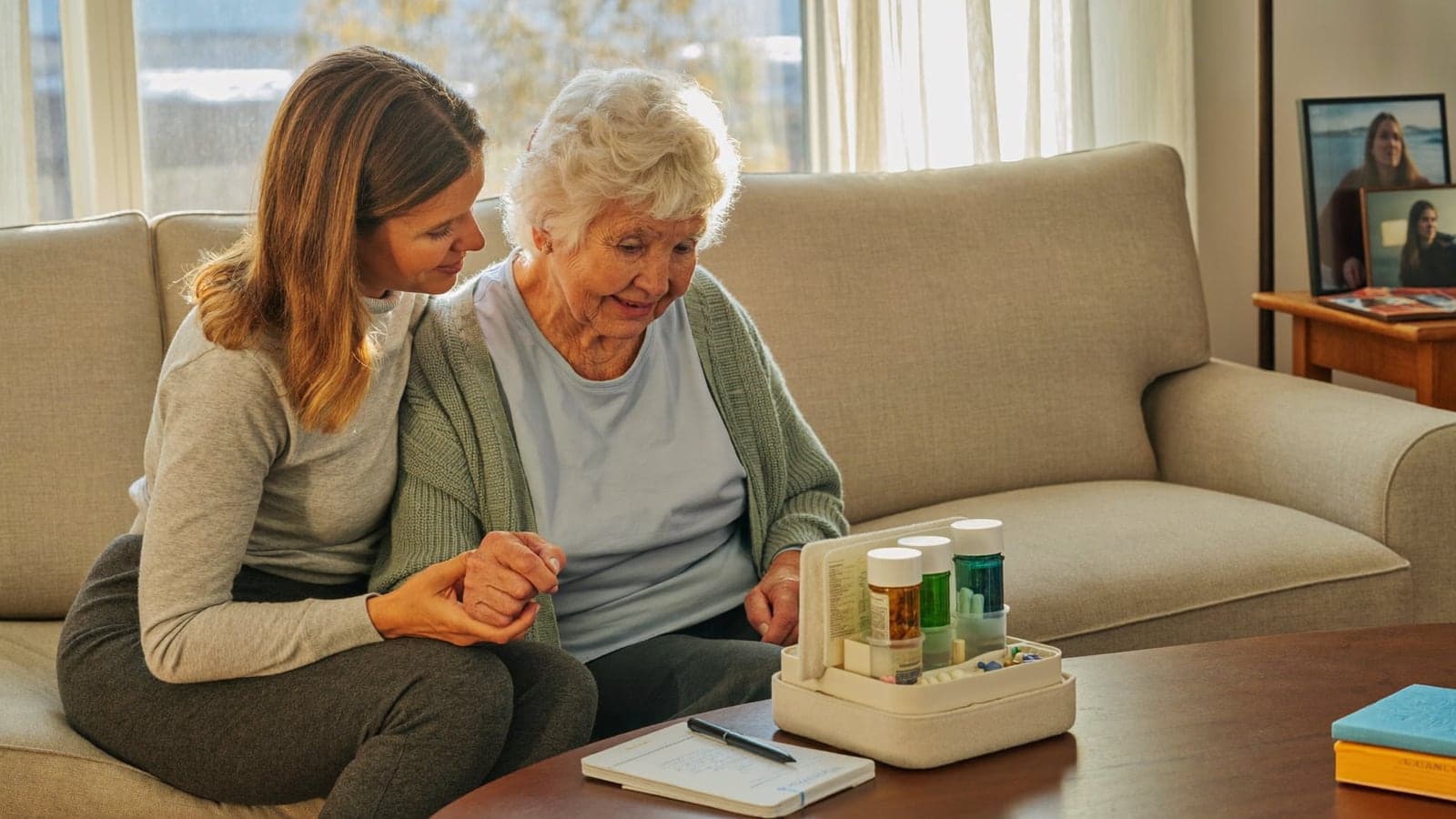
As our loved ones grow older, it is natural to want them to remain independent for as long as possible. Aging, however, often brings physical, emotional, and cognitive changes that can make daily living more challenging. While many older adults value their independence, there may come a time when additional support is needed to ensure their safety, health, and quality of life. Recognizing these signs early can help families make informed decisions before a crisis occurs.
In-home care provides compassionate assistance while allowing older adults to remain in the comfort and familiarity of their own homes. Non-medical home care services focus on helping individuals with activities of daily living, companionship, meal preparation, housekeeping, transportation, and personal care while promoting dignity and independence (National Institute on Aging [NIA], 2023).
Below are ten signs that may indicate your loved one could benefit from in-home care.
1. Difficulty Managing Personal Hygiene
One of the earliest signs that an older adult may need assistance is a noticeable decline in personal hygiene. They may bathe less frequently, wear the same clothing for several days, neglect oral care, or appear generally unkempt.
Poor hygiene can increase the risk of infections, skin conditions, and reduced self-esteem. A compassionate caregiver can assist with bathing, grooming, dressing, and other personal care needs while respecting the individual's dignity and privacy.
2. Frequent Falls or Balance Problems
Falls are one of the leading causes of injury among older adults. According to the Centers for Disease Control and Prevention (CDC, 2024), millions of adults aged 65 and older experience falls each year, many of which result in serious injuries such as fractures or head trauma.
If your loved one has experienced multiple falls, has difficulty walking, frequently loses balance, or appears unsteady, it may be time to consider home care. Caregivers can provide mobility assistance, encourage safe movement, and help reduce fall risks within the home.
3. Forgetfulness or Memory Changes
Occasional forgetfulness is a normal part of aging, but persistent memory loss may indicate cognitive decline or dementia. Warning signs include:
- Forgetting appointments
- Missing medications
- Leaving the stove on
- Repeating questions
- Becoming confused about time or place
Caregivers can provide medication reminders, establish daily routines, and offer supervision to help keep individuals safe while maintaining as much independence as possible (NIA, 2023).
4. Poor Nutrition or Unexplained Weight Loss
Preparing nutritious meals can become increasingly difficult due to limited mobility, arthritis, vision impairment, or cognitive changes. Some seniors may lose interest in cooking altogether or forget to eat.
Signs to watch for include:
- Empty refrigerators
- Spoiled food
- Significant weight loss
- Dehydration
- Skipped meals
In-home caregivers assist with grocery shopping, meal planning, food preparation, and encouraging healthy eating habits, helping older adults maintain proper nutrition.
5. Difficulty Managing Household Tasks
Simple household responsibilities can become overwhelming with age. You may notice:
- Laundry piling up
- Dirty dishes
- Clutter
- Unopened mail
- Unpaid bills
- Neglected home maintenance
These changes often indicate that daily responsibilities have become physically or mentally exhausting. Homemaker services can help maintain a clean, organized, and safe living environment.
6. Social Isolation or Loneliness
Many seniors experience loneliness after retirement, the loss of a spouse, reduced mobility, or living far from family members. Chronic loneliness has been associated with increased risks of depression, anxiety, heart disease, and cognitive decline (U.S. Surgeon General, 2023).
If your loved one spends most days alone, rarely participates in activities, or seems withdrawn, companion care can provide meaningful conversation, emotional support, recreational activities, and opportunities for social engagement.
7. Changes in Mood or Personality
Emotional changes may be subtle but significant. Watch for signs such as:
- Increased irritability
- Depression
- Anxiety
- Withdrawal from family
- Loss of interest in hobbies
- Sudden mood swings
Behavioral changes may result from loneliness, chronic illness, medication side effects, or early cognitive impairment. Having regular companionship and supportive care often improves emotional well-being and reduces feelings of isolation.
8. Difficulty Managing Medications
Older adults often take multiple medications for chronic health conditions. Missing doses, taking incorrect amounts, or confusing medications can lead to serious health complications.
While non-medical caregivers do not administer medications, they can provide medication reminders, help maintain medication schedules, and notify family members if concerns arise. Consistent routines improve medication adherence and reduce preventable health risks (World Health Organization, 2003).
9. Family Caregiver Burnout
Sometimes the person who needs help is not only the older adult but also the family caregiver.
Providing care while balancing work, parenting, and personal responsibilities can become emotionally and physically exhausting. Family caregivers experiencing stress, sleep deprivation, or burnout may unintentionally compromise both their own health and the quality of care they provide.
Respite care allows family caregivers to rest, attend appointments, or simply recharge while knowing their loved one is receiving compassionate, professional support (Family Caregiver Alliance, 2024).
10. Increased Hospital Visits or Declining Health
Frequent emergency room visits, repeated hospitalizations, or worsening chronic conditions often indicate that additional support is needed at home.
Although non-medical home care does not replace medical treatment, caregivers help clients follow daily routines, attend appointments, maintain nutrition and hydration, and safely perform everyday activities. This additional support can improve quality of life and help reduce preventable complications.
Why Early Intervention Matters
Many families wait until an emergency occurs before seeking help. Unfortunately, delaying care often increases stress for everyone involved and may reduce the options available for keeping a loved one safely at home.
Introducing home care early allows older adults to gradually adjust to receiving assistance while maintaining greater independence. Early support can also prevent injuries, reduce caregiver stress, and improve overall well-being.
The goal of home care is not to take away independence, it is to preserve it.
Conclusion
Recognizing the signs that your loved one may need additional support is one of the greatest acts of love you can offer. Whether the need is assistance with personal care, companionship, meal preparation, housekeeping, or respite care for family caregivers, professional in-home care can significantly enhance safety, dignity, and quality of life.
At Circles of Life Healthcare Services LLC, we understand that inviting someone into your home is an important decision. Our compassionate caregivers are committed to providing personalized, respectful, and dependable care that allows individuals to continue living comfortably and confidently in the place they call home.
If you have noticed one or more of these signs in someone you love, now may be the right time to explore professional in-home care. Contact Circles of Life Healthcare Services LLC today to learn how we can support your family with compassionate care, reliable support, and peace of mind.
References
Centers for Disease Control and Prevention. (2024). Older adult falls: Data and statistics. https://www.cdc.gov/falls
Family Caregiver Alliance. (2024). Caregiver health. https://www.caregiver.org
National Institute on Aging. (2023). Aging in place: Growing older at home. https://www.nia.nih.gov/health/aging-place-growing-older-home
U.S. Surgeon General. (2023). Our epidemic of loneliness and isolation: The U.S. Surgeon General's advisory on the healing effects of social connection and community. U.S. Department of Health and Human Services.
World Health Organization. (2003). Adherence to long-term therapies: Evidence for action. World Health Organization.